


The advent of RNA technology has opened new frontiers in medical science, particularly in vaccine development. RNA lipid nanoparticle (LNP) delivery systems have become a cornerstone in the fight against diseases such as COVID-19, offering promising solutions for effective and scalable vaccine distribution.
The Microfluidics team was excited to participate as joint presenters on September 15th with the distinguished Dr. Darrick Carter, Chief Scientific Officer at HDT Bio Corp.
The topic of the webinar discussed:
A Scalable Solution for Next-Generation RNA Lipid Nanoparticle Delivery and Technology.
This session presented HDT Bio's proprietary LION™ drug delivery, which was produced with the use of a high shear Microfluidizer® processor. These carriers are scalable and can efficiently deliver RNA and DNA to cells.
Dr. Carter illustrated how this technology is at the forefront of COVID vaccine development and has the potential for other vaccines and future medical breakthroughs.
The key topics discussed in this webinar included:
- Addressing stability issues and dosing coordination of the newly developed vaccine options
- Drug delivery challenges
- Future opportunities with RNA drug delivery and the potential breakthroughs that are being explored
- Replicating results from R&D to production scale with consistent, repeatable results
- cGMP manufacturing consideration
Watch the full webinar below, or keep scrolling for a written overview.
A Brief History of RNA Drug Technology
The journey of RNA drug delivery began in 1961 with the discovery that messenger RNA (mRNA) carries genetic information within cells. By 1978, researchers were already experimenting with delivering RNA using liposomal technology. The first RNA vaccine was developed in 1993 and tested on mice, proving the concept in vivo. However, it wasn't until 2013 that the first human trials for RNA vaccines began. The rapid development and approval of COVID-19 RNA vaccines in 2020, just seven years after the first human trials, underscored the technology's potential for rapid response to emerging health crises.
Advantages of Lipid Nanoparticles in RNA Drug Delivery
Lipid nanoparticles (LNPs) have emerged as one of the most effective delivery systems for RNA vaccines. They encapsulate the RNA within a lipid shell, allowing for targeted delivery to cells while minimizing toxicity. This method ensures that the RNA remains stable and can be efficiently delivered to the desired cells, enhancing the vaccine's efficacy. LNPs have proven particularly effective in clinical settings, offering a scalable and reproducible method for RNA drug delivery.
Understanding the LION Technology
The LION (Lipid Inorganic Nanoparticle) technology represents a significant advancement in RNA delivery systems. Developed by HDT BioCorp, LION technology utilizes a unique surface chemistry that allows RNA to be easily mixed with the carrier at the bench side. This flexibility is crucial for rapid production and distribution, especially in response to pandemics. LION particles are designed to enhance stability and bioavailability, ensuring that the RNA remains effective once delivered into the body.
Microfluidizer Technology for RNA Drug Delivery
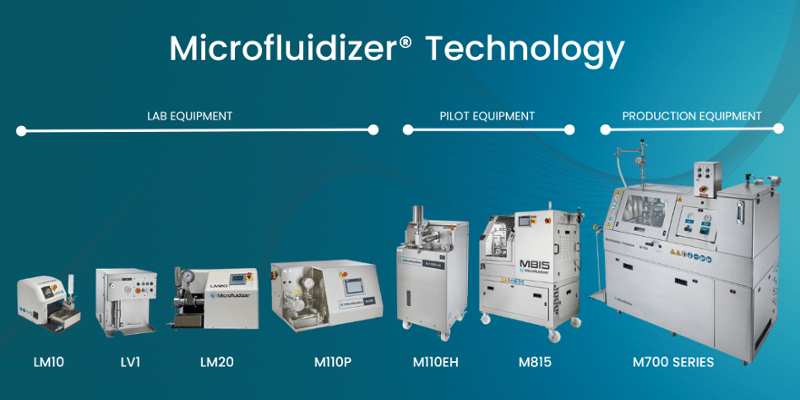
Microfluidizer processors play a critical role in the production of RNA lipid nanoparticles. These high-shear fluid processors utilize proprietary fixed geometry Interaction Chambers™ to ensure that all material receives uniform treatment. This consistency is vital for achieving reproducible results from the research and development stage to full-scale commercial production.
Ensuring scalability is essential for successful RNA vaccine production. Microfluidizer processors enable the transition from small lab batches to large-scale manufacturing by maintaining consistent processing conditions, allowing rapid and efficient vaccine production to meet global needs.
Addressing Stability and Dosing Challenges
One of the significant challenges in RNA vaccine development is ensuring the stability and proper dosing of the RNA delivery system. The webinar highlighted several strategies to address these issues, including optimizing the lipid composition and processing conditions to enhance the stability of the RNA within the LNPs. Additionally, proper dosing coordination is essential to ensure that the vaccine elicits a strong immune response without causing adverse effects. The LION technology's ability to rapidly mix RNA with the carrier at the bench side offers a practical solution to these challenges, allowing for precise control over dosing and stability.
Future Directions and Opportunities in RNA Technology
The scalability and efficiency of advanced RNA delivery systems, such as LNPs and LION technology, are accelerating progress in personalized medicine and facilitating the rapid development of new vaccines. Innovative tools like Microfluidizer processors support global distribution by enabling consistent, large-scale manufacturing. Continued innovation in these delivery systems will be instrumental in meeting emerging health challenges and advancing RNA drug delivery worldwide.
Related reading:
